Published December 2, 2025
How to Prepare for a Winter Move: Essential Tips for a Smooth Transition

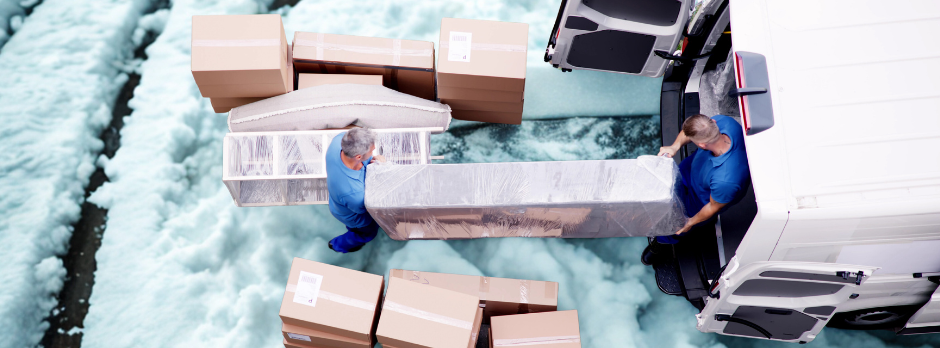
Moving any time of year takes planning, but winter brings a few extra challenges, especially in snowy regions like Idaho. From icy driveways to freezing temperatures, the weather can throw unexpected twists into your moving day if you’re not prepared. The good news is, with a little strategy and preparation, a winter move can be just as smooth (and sometimes even easier!) than a summer one.
Here are the top tips to help you prepare for a successful winter move.
1. Watch the Weather Forecast Closely
Winter storms can roll in quickly. In the days leading up to your move, monitor the forecast so you can plan around heavy snowfall, extreme cold, or high winds. If you're using professional movers, stay in communication, as many companies can adjust timelines if needed to keep things safe.
Pro Tip: Have a backup plan in case travel becomes unsafe. Flexibility is your best friend during winter moves.
2. Prep Your Driveways, Walkways & Parking Areas
Before the moving truck (or your own vehicle) arrives, make sure all key areas are safe and accessible.
- Shovel or snow-blow walkways and driveways
- Apply ice melt or sand
- Clear an extra-wide path for moving large furniture
- Mark edges of driveways or low spots with stakes
Giving your moving team a safe, stable path not only prevents accidents, it also speeds up your entire move.
3. Protect Your Floors and Entryways
Wet boots, snow, salt, and mud can be tough on flooring. Before people start walking in and out, prepare your entry points:
- Lay down tarps or waterproof movers’ blankets
- Use cardboard, drop clothes, or plastic runners in high-traffic hallways
- Set up a “boot station” for removing snow-covered footwear
This helps prevent slips and protects your home from damage.
4. Keep Winter Essentials Accessible
Pack a separate, easy-to-access bin with items you may need quickly. Include:
- Snow shovels
- Ice melt
- Gloves, hats, and extra layers
- Flashlights
- Phone chargers
- Towels or rags for drying off items
You don’t want these important items buried in the back of a moving truck.
5. Protect Your Belongings From Cold Temps
Cold weather can affect sensitive items, especially electronics and anything made of wood, glass, or certain plastics.
- Use extra blankets or padding around delicate items
- Keep electronics with you in your heated vehicle
- Avoid leaving boxes sitting outside for long periods
- Use climate-controlled storage if needed
Taking these precautions prevents cracking, warping, and moisture damage.
6. Schedule HVAC Service Before You Move In
When you're moving into a new home in freezing temperatures, you want to make sure your heating system is ready to perform.
Schedule furnace service or inspection before move-in day to confirm:
- The system is clean and efficient
- Filters are fresh
- No carbon monoxide hazards exist
- Thermostats are functioning properly
This ensures you move into a warm, comfortable home and reduces the risk of emergency repairs later.
7. Turn Utilities On Early
Don’t wait until the day you move in, especially in winter. As soon as you close on your property, activate your utilities and check in on the home.
Be sure to activate:
- Heat
- Electricity
- Water
- Internet (if needed)
The home should be heated to a comfortable temperature before furniture and boxes arrive to avoid issues like condensation. Waiting to activate your utilities until you are ready to move in can cause freezing temperatures, damage to plumbing and leaking, and makes for a very difficult move-in-day.
8. Prepare for Shorter Daylight Hours
Winter days are shorter, and moving in the dark is both harder and more dangerous. Plan your moving schedule with daylight in mind.
- Aim to start early in the morning
- Set up portable lights for dim areas
- Keep exterior lights on and clear of snow
Good lighting makes a huge difference in safety and efficiency.
9. Hire Experienced Winter Movers (or Recruit Extra Help)
If you're hiring professionals, choose a company accustomed to winter conditions. They’ll know how to handle slick paths, protect items from moisture, and load efficiently.
If you're doing it yourself, be sure to have plenty of helpers on hand. Cold weather can make the process more fatiguing, so extra hands keep everything running smoothly.
10. Give Yourself Extra Time—and Patience
A winter move almost always takes a little longer. Snow, ice, bulky clothing, and cold hands can slow things down. The key is to stay flexible and patient—and allow for more time than you think you'll need.
Final Thoughts
Moving in winter doesn’t have to be stressful. With the right preparation, cleared pathways, protected belongings, and a well-heated home, you can transition smoothly and safely, even in snowy Idaho. Whether you're relocating across town or moving into your dream home, a few extra winter-specific steps will make the process much easier.
If you’d like more moving tips or help navigating the Idaho real estate market, our team is always here to guide you.