
Categories
Market Updates, Seller Strategies, Real Estate Advice, Home Buying Tips, Seller TipsPublished October 21, 2026
Beyond the Headline: How a 1% Interest Rate Shift Radically Changes Purchasing Power for Buyers and Sellers

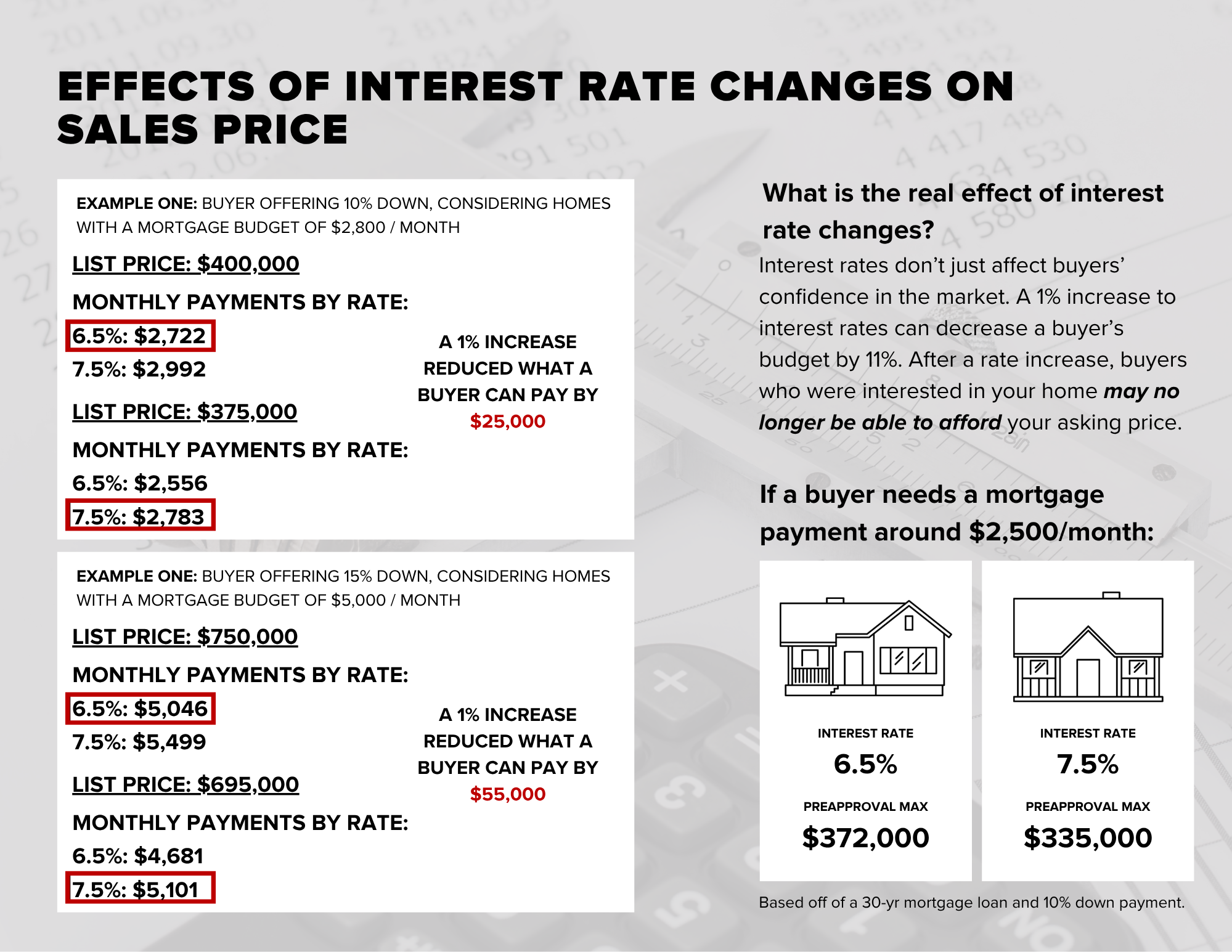
When interest rates move up or down by 1%, it’s easy to dismiss it as a minor fluctuation. After all, 1% sounds like a small margin. But in the world of real estate, a single percentage point isn't just a number—it’s a massive lever that directly reshapes affordability, buyer pools, and property values.
At the Nelson Group, we teach our clients to look beyond the listing price and focus on the math that actually dictates real estate decisions: monthly payment and purchasing power.
Whether you are looking to buy or sell in East Idaho, here is why a 1% shift in mortgage interest rates changes everything.
For Buyers: Why You Must Be a Budget-Based Buyer
When shopping for a home, most buyers start by looking at top-line listing prices—say, $400,000 vs. $450,000. However, unless you are paying 100% cash, you don't buy a purchase price; you buy a monthly payment.
Smart buyers budget around what they can comfortably afford to pay every month (principal, interest, taxes, and insurance). When interest rates shift, your monthly budget stays the same, but the amount of house that budget can buy changes dramatically.
The 1% Rule of Purchasing Power
As a general rule of thumb, a 1% increase in interest rates reduces your purchasing power by roughly 11%.
Here is what that looks like in practice on a typical 30-year fixed mortgage:
- Scenario A (Rate at 6.5%): You are approved and budgeting for a monthly principal and interest payment of roughly $2,800. At a 6.5% rate, that gives you the purchasing power to buy a $410,000 home (assuming 10% down).
- Scenario B (Rate at 7.0%): Interest rates rise, but your budget plan stays the same. If the rates changed to 7.0%, in this scenario, you now can only afford homes up to $390,000 home (assuming 10% down). While this may not be dream-shattering, it will require a different strategy in your search and negotiations.
- Scenario C (Rate Rises to 7.5%): Your monthly budget remains capped at $2,800. But at a 7.5% rate, your maximum purchasing power drops to roughly $375,000.
Without your income or budget changing by a single dollar, a 1% rate hike just erased $35,000 of your home-buying power. Suddenly, homes that were comfortably in your search criteria are now out of reach, forcing you to adjust your target neighborhood, home size, or finish level.
For Sellers: How Rate Shifts Shrink Your Buyer Pool
If you’re selling your home, it’s easy to assume interest rates are purely a "buyer problem." But mortgage rates dictate consumer demand, and a 1% rate increase directly impacts who can afford to write an offer on your property.
If interest rates rise by 1%, two distinct things happen to your buyer pool:
- Qualified Buyers Get Priced Out: The group of buyers who were pre-approved specifically for your home's price range suddenly see their purchasing power drop by 11%. If your home is listed at $425,000, the buyers who were maxed out at that price point are now capped around $380,000. They can no longer afford your property without bringing significantly more cash to the closing table, or bring an aggressive and low offer.
- Buyer Pool Compression: As buyers get pushed down into lower price tiers, your potential buyer pool shrinks. Less competition for your listing means longer average Days on Market and increased pressure to make price adjustments or offer seller concessions (like rate buydowns).
For sellers actively on the market during rate changes, a price reduction should be serious consideration. It takes time for the buyer pool to adjust to new rates; waiting means that new competition will have come onto the market, likely at adjusted prices.
The Counter-Perspective: What Happens When Rates Drop 1%?
Conversely, when interest rates shift down by 1%, the floodgates open.
- Buyers regain 11% more purchasing power, instantly making higher-priced homes accessible again.
- Sellers experience a sudden influx of qualified buyers entering their price band, which increases demand, accelerates showings, and drives competitive offer scenarios.
The Takeaway: Strategy Trumps Timing
Understanding the ripple effect of a 1% rate shift allows you to make proactive, math-driven real estate decisions rather than emotional ones:
- If you are buying: Don't wait around trying to time the "perfect" interest rate while property values appreciate. Focus on locking in a comfortable monthly payment now. If the homes you qualify for do not fit your needs and wants, develop a long term plan to revisit in 3-6 months.
- If you are selling: Price your home according to today's active rate environment—not last year's. Working with an agent who understands how to structure incentives during negotiations (such as permanent or temporary rate buydowns) can effectively lower the buyer's interest rate and keep your listing attractive to the largest possible pool of buyers.
Want to see how today’s interest rates impact your specific purchasing power or home value? Contact the Nelson Group today for a custom financial breakdown tailored to your real estate goals!

Dave Nelson
CEO/Owner & Realtor® | The Nelson Group Real Estate | Keller Williams Realty East Idaho | PLACE
or another way